Case Study: Tele-Consultation App Connecting Patients & Doctors
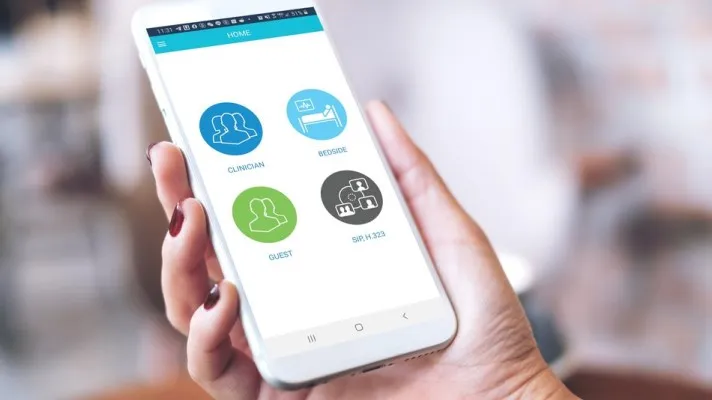
A healthcare client approached AR Software with a clear challenge: they wanted a secure, easy-to-use tele-consultation platform that would connect patients and doctors online. The solution needed to support remote appointments, work reliably in the cloud, and be simple enough for both clinicians and non-technical patients to adopt quickly.
Project Overview
We designed, built, and deployed a complete tele-consultation application using:
- Backend: Django (Python) REST-based services
- Database: SQL database for structured, reliable medical and transactional data
- Frontend / Mobile: Flutter for a unified cross-platform patient and doctor experience
- Infrastructure: Cloud deployment for scalability, performance, and security
Throughout the engagement, we followed an agile delivery process with short iterations, regular demos, and routine feedback sessions, so the client always knew what we were building and could validate features early.
The Client’s Goals
The client’s main goals for the tele-consultation platform were:
- Allow patients to find and connect with doctors remotely
- Provide a simple flow for booking and managing online consultations
- Give doctors a clear workspace to review cases and conduct consultations
- Enable admins to monitor activity and keep the platform running smoothly
- Ensure the solution was secure, scalable, and cloud-hosted
Our Approach: Agile, Transparent, and Collaborative
From day one, we agreed with the client that the project would be delivered using an agile process. This helped us reduce risk, keep communication open, and make sure the final product matched real-world workflows.
1. Discovery & Requirements Workshops
We started with structured workshops involving key stakeholders (clinical, operational, and technical). Together, we mapped out:
- End-to-end patient and doctor journeys
- User roles and permissions (Patient, Doctor, Admin)
- Core features for the first release versus “nice-to-have” future enhancements
- Non-functional needs such as performance, availability, and security expectations
2. UX & UI Design
Once we understood the workflows, our designers created application flows and UI mockups in close collaboration with the client. Each key screen (onboarding, booking, consultation, admin dashboards) went through:
- Design → Review with the client → Feedback → Refine
This iterative loop ensured the interface worked for busy doctors and patients using a mix of desktop and mobile devices.
3. Technical Architecture
To keep the system robust and easy to extend, we selected the following architecture:
- Django (Python) to power a RESTful API for all core business logic
- SQL database to store users, appointments, consultation notes, and audit data
- Flutter for building responsive cross-platform interfaces (patient and doctor apps)
- Cloud deployment for reliability, monitoring, and simplified scaling as usage grows
4. Iterative Development & Client Feedback
We delivered the solution in short sprints. At the end of each sprint, the client received:
- A working build to test
- A walkthrough of what was completed
- A chance to reprioritize or refine the next sprint backlog based on feedback
This agile rhythm meant there were no surprises at the end of the project—what we deployed was already familiar and validated by the client.
The Solution We Delivered
Key User Roles
Patients can:
- Create and manage their profile
- Search and view available doctors and specialties
- Request, book, and manage tele-consultation appointments
- Exchange secure messages with doctors before or after sessions
- Access consultation summaries and related information
Doctors can:
- Manage their availability and consultation schedule
- Review patient details and consultation context ahead of a call
- Conduct online consultations and record clinical notes
- Communicate with patients using secure messaging
Admins can:
- Manage users (patients and doctors)
- Monitor appointments and platform activity
- Update configuration and basic system settings
Feature Highlights
The first release of the platform included:
- Account & onboarding flows for patients and doctors
- Doctor listing & search with key information and availability
- Appointment booking & management (request, confirm, reschedule, cancel)
- Secure messaging between patients and doctors
- Consultation notes recorded and stored in the SQL database
- Admin dashboard for platform oversight
Cloud Deployment & Handover
After user acceptance testing (UAT) with the client’s team, we deployed the application to the cloud. Our responsibilities included:
- Setting up staging and production environments
- Configuring database backups and basic monitoring
- Deploying the Django backend and Flutter frontends
- Supporting go-live and early production use
We also provided documentation and knowledge transfer sessions so the client’s internal team could confidently operate, support, and plan for future enhancements.
Results for the Client
By the end of the project, the client had a fully functional tele-consultation platform aligned with their workflows and requirements. Doctors could connect with patients remotely, admins had visibility into activity, and patients could request and manage appointments without needing to visit the clinic in person.
Because the solution is built on Django, a SQL database, Flutter, and cloud infrastructure, the client can continue to extend the system over time—for example, by adding additional integrations, analytics, or new communication channels.
What You Can Expect When You Work With Us
If you are planning to build a similar tele-consultation or healthcare application, here’s what you can expect from AR Software:
1. Clear Discovery & Scope
We start with structured workshops to understand your business, clinical, and technical needs. Together, we define a realistic first release and a roadmap for future phases.
2. Transparent Agile Delivery
We work in sprints, share regular demos, and invite feedback constantly. You will always know:
- What we’re working on now
- What’s coming next
- How changes or new ideas affect scope and timelines
3. Modern, Proven Tech Stack
We use frameworks and tools that are stable, widely adopted, and suitable for healthcare-grade systems:
- Django (Python) for secure backend APIs
- SQL databases for reliable, structured data
- Flutter for fast, consistent user interfaces across platforms
- Cloud deployment for scalability, performance, and resilience
4. Continuous Collaboration & Feedback
You’re not “handing off a spec” and waiting until the end. We keep a routine feedback loop with:
- Regular check-ins and planning sessions
- Early access to builds for user testing
- Adjustments based on real clinician and patient feedback
5. End-to-End Support
Our team can support you from concept to post-launch:
- Requirements, UX, and architecture
- Development, testing, and deployment
- Documentation, training, and post-go-live support
Considering a Tele-Consultation or Healthcare App?
Whether you are a clinic, hospital, or health-tech startup, we can help you design and deliver a secure, cloud-based tele-consultation platform tailored to your workflows.
Next step: get in touch with us to discuss your idea. We’ll walk you through how we can apply the same Django + SQL + Flutter + cloud approach—and the same agile, feedback-driven process—to your project.
